


Anime in 2025 felt weirdly split between overabundance and constraint. On one side were franchise machines calibrated for big-screen finales, as well as a barrage of endless theatrical spin-offs that often turned into otaku congregations. On the other side were brief, intimate seasons and single-story projects that survived exactly as long as conversation kept them alive. The year’s texture came from how those two rhythms bumped into each other.
A cluster of shows across the year proved the medium could still surprise. My Hero Academia’s farewell season carried the exhausted pride of a franchise that had matured in real time with its fans, and Bones closed its long-running mythos with ceremonial care. Chinese donghua To Be Hero X premiered with a cross-border swagger, and the Bilibili–Aniplex partnership embraced its tonal/dimensional elasticity with a freewheeling confidence. City the Animation recalled the cult-classic Nichijou brand of urban absurdism, with Kamikaze Douga turning mundane municipal chaos into a performance art of collective exasperation. Romance too, found strange perfection in The Fragrant Flower Blooms with Dignity, where CloverWorks polished every gesture to expose social optics at their most brittle. Meanwhile, Tatsuki Fujimoto: 17–26 was a collection of the sadistic mangaka’s lesser-known gems, where rotating studios treated his early work with mischief, and every short revealed another shard of the sensibility that now fuels the Chainsaw Man subculture. Apocalypse Hotel also continued CygamesPictures’ commitment to its dense, almost-breathable atmospheres, and somewhere in the periphery, One Punch Man’s ill-fated third season offered up a cautionary tale about the hazards of mismatched production pipelines.

2025 was also the year anime stopped being “that thing streaming on the side” and settled in as basic pop cultural infrastructure. India, Southeast Asia and Latin America have quickly formalised as growth markets which has also changed how, when and where premieres have been landing.
But amidst all of that, here are ten titles that constitute the very best. I’m not pretending this is an objective canon of course, but it’s what I’d defend in a room of obsessives and critics. Some entries channel the painstaking precision that animation in Japan has honed over decades. Others feel like dispatches from contemporary culture’s subconscious, tracing fissures and longings that feel unmistakably of this moment. But all of these titles have something sharp to say about power, care, class, desire, or curiosity, in ways the year needed.
10. LORD OF MYSTERIES
(Studio: BCMAY Pictures | Based on the web novel by Cuttlefish That Loves Diving)
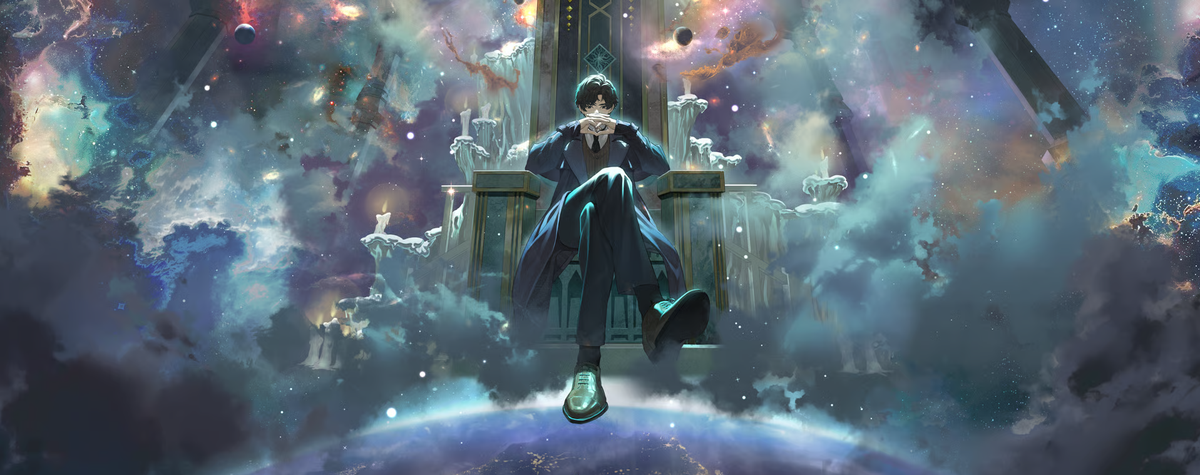
A still from ‘Lord of Mysteries’
| Photo Credit:
Crunchyroll
I was already feeling the pressure around Lord of Mysteries long before the pilot first aired. The steampunk-tinged occult Chinese donghua adapts Cuttlefish That Loves Diving’s magnum opus and follows a clerk pulled into secret societies and forbidden rituals. Could a studio translate an epic built on the politics of knowledge and epistemic hazard without sanding off the edges?
What struck me was how the BCMAY team resisted the impulse to “upgrade” the source through animation excess. The show’s staggering production value treated every texture with a surgical precision that made its esotericism an organic part of its ecology. But the density of its writing made all knowledge and lore feel earned through attrition. You really had to work for this show.

The cultural climate also shaped its reception in revealing ways. Donghua has been pushing for international legitimacy, and this adaptation became an informal test case. Its domestic reception in China already mapped a network of fervent theorycrafting long before it crossed into anime fandom, and by the time Crunchyroll added it to international rotation, the anime was already operating with a smug calm of knowing that its fans would spend hours on its subreddit at two in the morning.
Though it’s still a little rough around the edges, Lord of Mysteries earns its position here because it trusted its audience’s literacy and refused to dilute the scope and scale of its conceptual core.
9. CLEVATESS
(Studio: Lay-duce | Based on the manga by Yuji Iwahara)
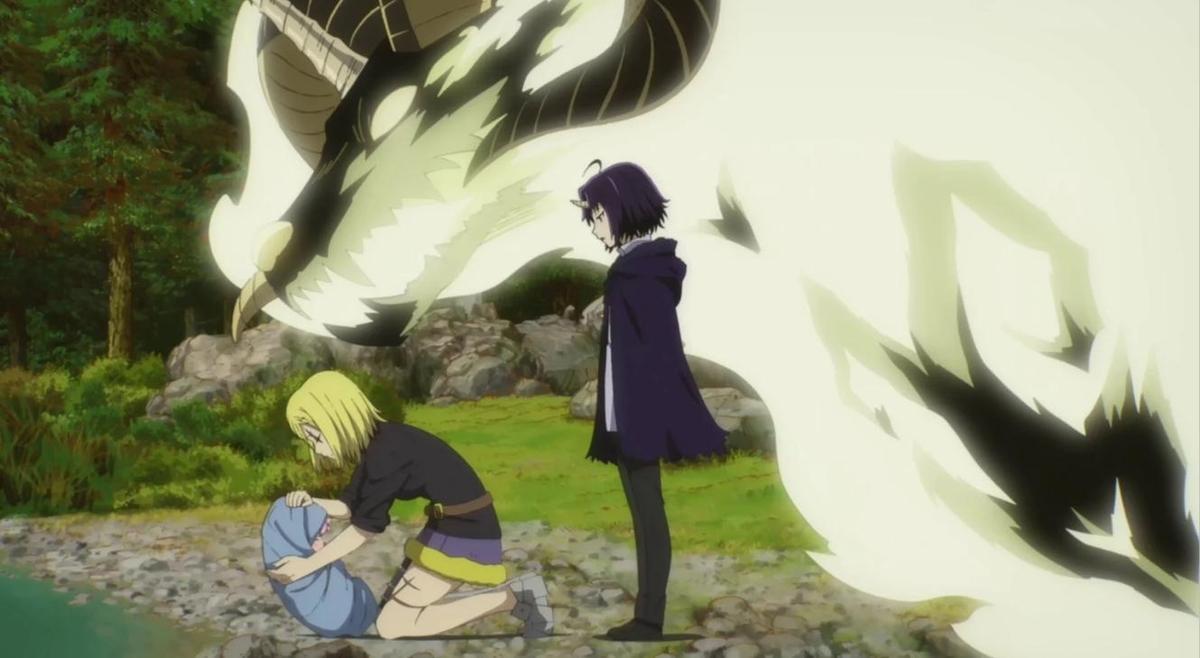
A still from ‘ Clevatess’
| Photo Credit:
Crunchyroll
A grim high-fantasy drama where a demon king and a human woman are forced into uneasy co-parenthood at the end of the world; I’ve rarely encountered a fantasy anime that seems to have the inside of our political bones on display, but Lay-duce’s Clevatess managed exactly that. The studio animates every ruin in Yuji Iwahara’s manga with a grainy patience that brings older high fantasy classics like Berserk back into view. Iwahara’s source material supplied an austere palette and an anthropological curiosity about violence and care, and the adaptation doubled down on that curiosity as political practice.

The show’s intelligence sits in the arguments between Alicia and the titular demon king, where their respective moral philosophies clash against their frustrations around a child they never asked to raise. I kept noticing how the staging forced us to reckon with the awkward labour of survival; the series treated humanity as a puzzle that even the demon king found tedious, which made the entire enterprise strangely honest.
It earns a spot on the list because it turned an immortal demon lord into an irritated anthropologist and made the genre feel alive again in the absence of heavy-weights like Frieren.
8. TAKOPI’S ORIGINAL SIN
(Studio: ENISHIYA Productions | Based on the manga by Taizan5)
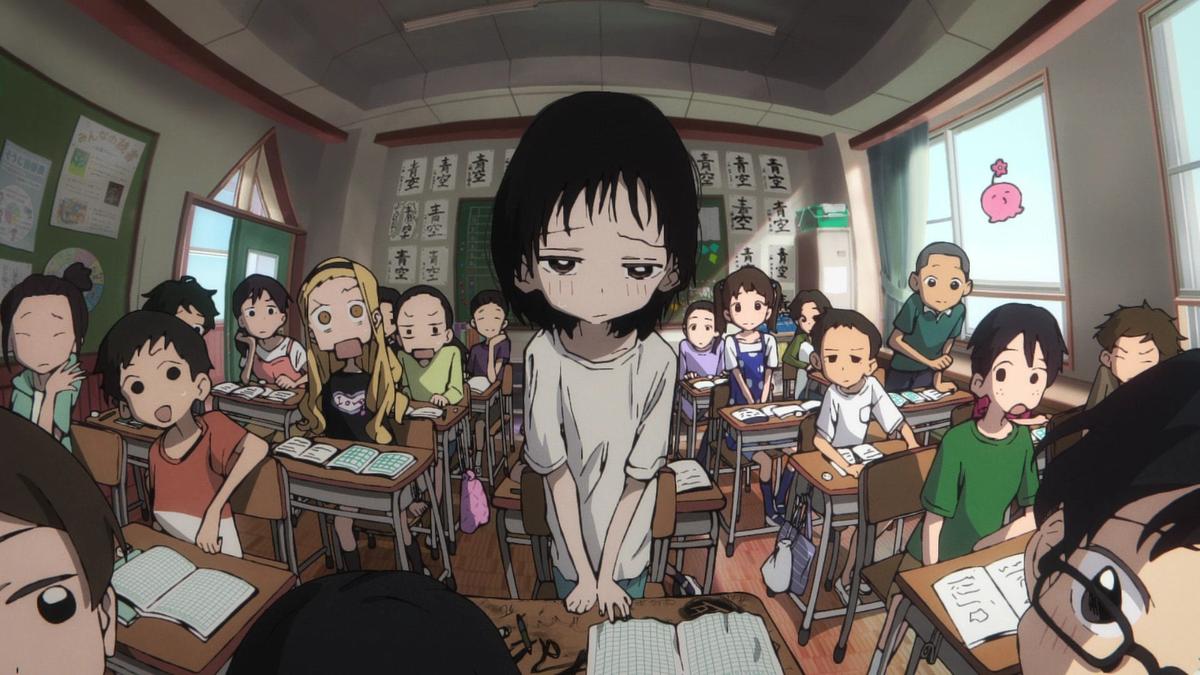
A still from ‘Takopi’s Original Sin’
| Photo Credit:
Crunchyroll
There’s a register of aesthetic experience tied to childhood animation that most mainstream anime often use as nostalgia fodder, but Takopi’s Original Sin did something far more insidious by weaponising innocence until we feel it splitting with horrifying clarity. This deceptively cute science-fiction tragedy is about an alien sent to spread happiness on Earth who meets a child facing bullying and abuse, but it’s really a compact study of how adults, institutions, and classmates collectively fail a girl until death feels like her only exit.
The adaptation to Taizan5’s brutal manga feels like some sort of demented kindness experiment conducted by someone who never learned what suffering looks like. The pastel palette tricks you into complacency, and the duplicity of the script upends that comfort with one shocking calamity after the other. Each timeline feels like an autopsy of intent which becomes exhausting in a way that reveals the show’s actual thesis: goodwill is fragile when wielded by someone who doesn’t understand human pain.

In the wider discourse, Takopi slotted into conversations about mental health, bullying, and the limits of awareness, which made a lot of “be kind” messaging look paper-thin. Pop culture rarely handles stories about child abuse with much sensitivity or nuance, yet Takopi forced us to witness structural cruelty in its smallest forms. No one left the Takopi experience with simple answers, but many have emerged more attuned to how kindness circulates as a laborious work in progress rather than some magical cure.
7. GACHIAKUTA
(Studio: bones | Based on the manga by Kei Urana)
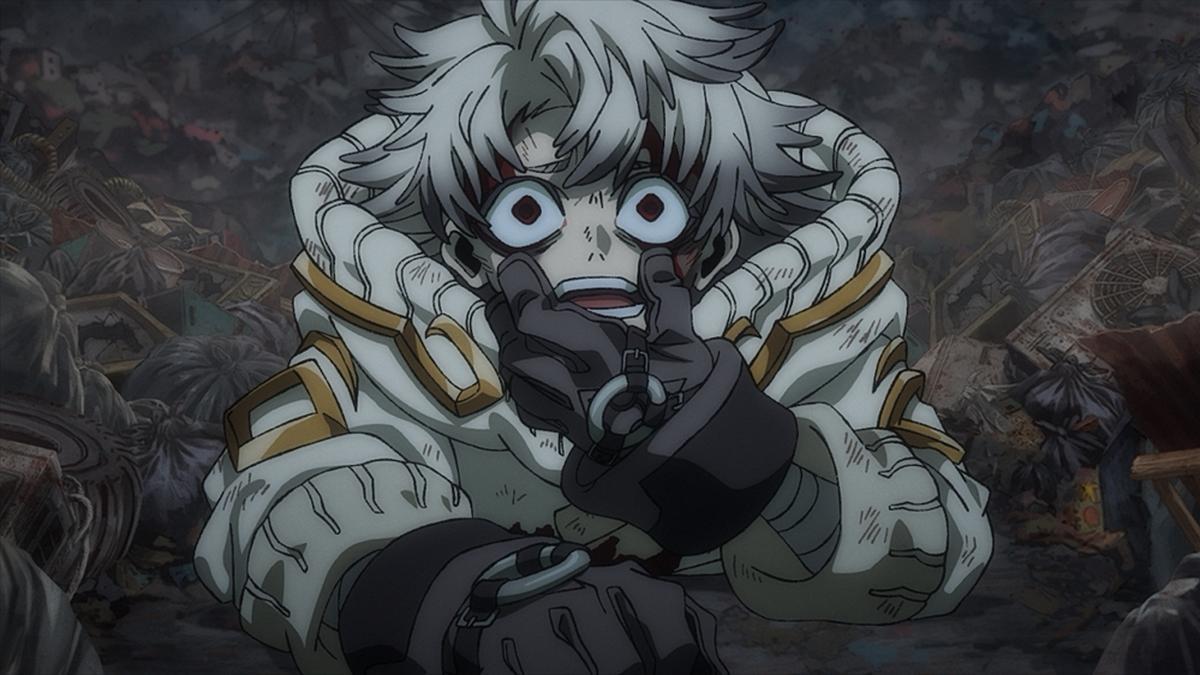
A still from ‘Gachiakuta’
| Photo Credit:
Crunchyroll
For once, “trashcore shounen” isn’t an insult. Emerging in the wake of Bones’ freshly concluded My Hero Academia run, Gachiakuta follows a boy exiled to a landfill underworld, where discarded objects and waste become the tools of liberation for the oppressed. The studio’s take on this feral genre pivot uses compositional logic to articulate class violence. Kei Urana’s world speaks in the language of refuse, and this adaptation preserves that ethic through committed textural design. That said, it would be easy to mistake it for merely a grim urban texture piece, but its politics extend well beyond surface grime.
Urana’s writing funnels class critique through Rudo’s craft, so every weapon asserts that the discarded still hold memory and agency. Bones treats refuse as archival material and turns every scrap into a document of invisibilised labour. I found myself in splits at how brazenly the series weaponised filth against respectability politics. The labour of salvaging becomes the labour of selfhood, and the execution of these heady ideas remains strikingly accessible.

Urana’s art already carried an insurgent design ethic, and the adaptation honoured that by making mise-en-scène itself a treatise on erasure and excess. The anime’s fandom was also quick to latch onto its punkrock visual grammar, turning its aesthetic symbols into a vocabulary of resistance.
Gachiakuta earns its place for having accelerated conversations about subaltern bodies, waste economies, how production design could embody class and dispossession, and how power structures sanitise their violence through myths of purity. Every year could do with these provocations.
6. THE APOTHECARY DIARIES SEASON 2
(Studios: Toho Animation & OLM | Based on the manga by Natsu Hyuga)
A still from ‘The Apothecary Diaries’ Season 2
| Photo Credit:
Crunchyroll
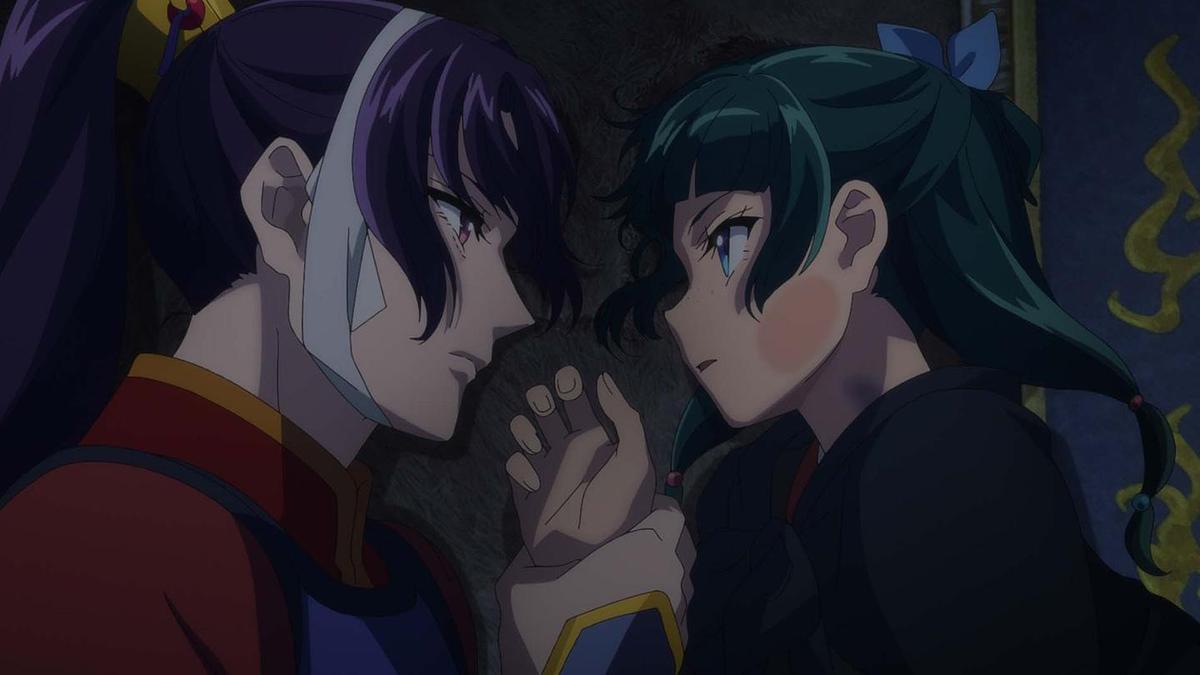
If the industry needed a primer on why micro-observation still matters, The Apothecary Diaries provides a masterclass, and its second season refines what made the series a quiet outlier last year, even further. A courtly mystery series centred on a sharp-eyed apothecary navigating power dynamics in an imperial palace, Toho Animation and OLM sustain their commitment to this exquisite procedural drama and let method dictate momentum.
Nothing is said but everything is implied in the Imperial Rear Palace of consorts, and that choice creates a logic where expertise is the central currency of meaning. Natsu Hyuga’s source text situates intelligence as a craft practiced in silence, and the adaptation embodies that craft materially.

Frames often linger on hands, bowls, fabrics, and little negotiations that keep a court alive. Its writing leans into these gentle observations as resistance, which fits Maomao’s temperament. This season also sharpens the horrors of surviving medieval China as a woman (worse yet, a girl). Men in power frequently rely on Maomao’s competence while trying to keep her status contained, and the blossoming romance thread with Jinshi can’t be separated from that imbalance.
The Apothecary Diaries demands a re-orientation of our gaze towards process rather than payoff. The unresolved cultural tension that maps its characters’ gendered exhaustion with unflinching nuance is what makes the anime’s popularity feel like a tectonic shift in genre priorities.
5. DEMON SLAYER: INFINITY CASTLE ARC
(Studio: Ufotable | Based on the manga by Koyoharu Gotouge)
A still from ‘Demon Slayer: Infinity Castle Arc’
| Photo Credit:
Crunchyroll
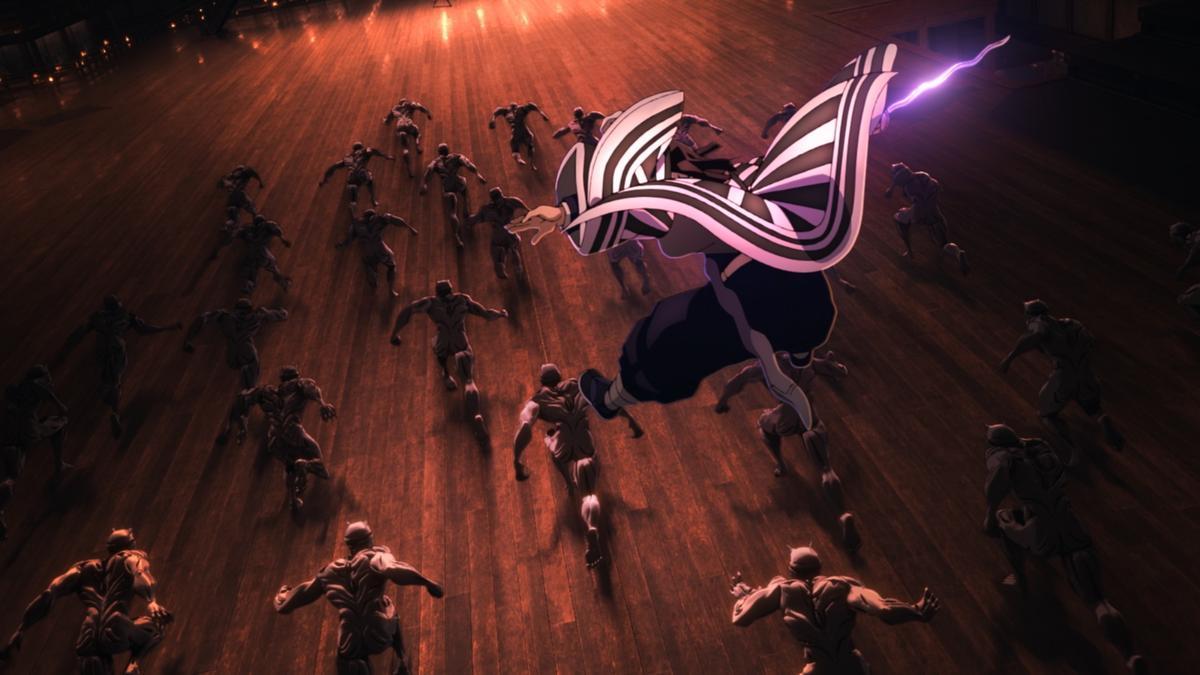
The awaited climactic war that plunges the titular demon slaying corps into a shifting fortress designed to push everything to the absolute limit, Infinity Castle is a maximalist blockbuster engineered through a steady misplacement of restraint that has been taking shape all decade. The intensity of Ufotable’s architectural somaticism made the grand cinematic event of experiencing the titular castle’s impossible geometry a ride like no other.
This final arc is pure industrial spectacle, but there’s something almost perverse about how far it pushes that. The action sequences deserve all the praise, yet the real pleasure hides in the film’s ritualised choreographies of grief. Long takes, layered effects, and calligraphic fight passages asked us to process loss with our bodies, and not just our eyes. There are a few surprises in its narrative trajectory as well. This is the war the series has been promising since its first demon encounter and it dwells on the costs that earlier seasons gestured at.

The annual Demon Slayer pilgrimage has clearly become a site of communal calibration and the box office validates that. Sixth-highest-grossing film worldwide, highest-grossing Japanese film ever, and a sizeable footprint in territories that would have laughed at the idea of early morning subtitled screenings a decade ago – the success of the thing has been absurd.
Spectacle requires stakes, and stakes require bodies that carry memory. This breathtaking first chapter in Demon Slayer’s final run delivered that bargain with unnerving conviction by making the blockbuster feel mythic again.
4. THE SUMMER HIKARU DIED
(Studio: CygamesPictures | Based on the manga by Mokumokuren)

A still from ‘The Summer Hikaru Died’
| Photo Credit:
Netflix
Watching The Summer Hikaru Died felt like sharing a perverse secret. This is a rural horror story about a boy who returns from the mountains changed, and the friend who loves him anyway, and it’s the year’s clearest proof that the genre works best when unhurried. What made CygamesPictures’ adaptation so singular this year was its commitment to a peculiar Lynchian brand of stillness as a carrier wave for dread and desire.
Mokumokuren’s source material already wove the ineffable into quotidian textures, and the anime honed that weave into something palpably humid. The rural setting hums with cicada drones and afternoon glare, and those sensory details carve unease into the most mundane objects.

This series also stares directly into the space where grief mutates, and never once looks away. Takeshita’s direction positions the viewer inside Yoshiki’s dilemma which traps us in the same cognitive dissonance. Its writing navigated affection and dread with a steadiness that feels dangerously honest, and I was fascinated with how the show framed queer longing and the politics of loving someone who cannot reciprocate in recognisable human ways, as a slow form of haunting.
The Summer Hikaru Died rendered emotional disintegration with extraordinary control because it made rural malaise, desire, and cosmic horror feel like facets of the same unresolved problem. I have never seen anything quite like it.
3. DANDADAN SEASON 2
(Studio: Science SARU | Based on the manga by Yukinobu Tatsu)
A still from ‘Dandadan’ Season 2
| Photo Credit:
Crunchyroll
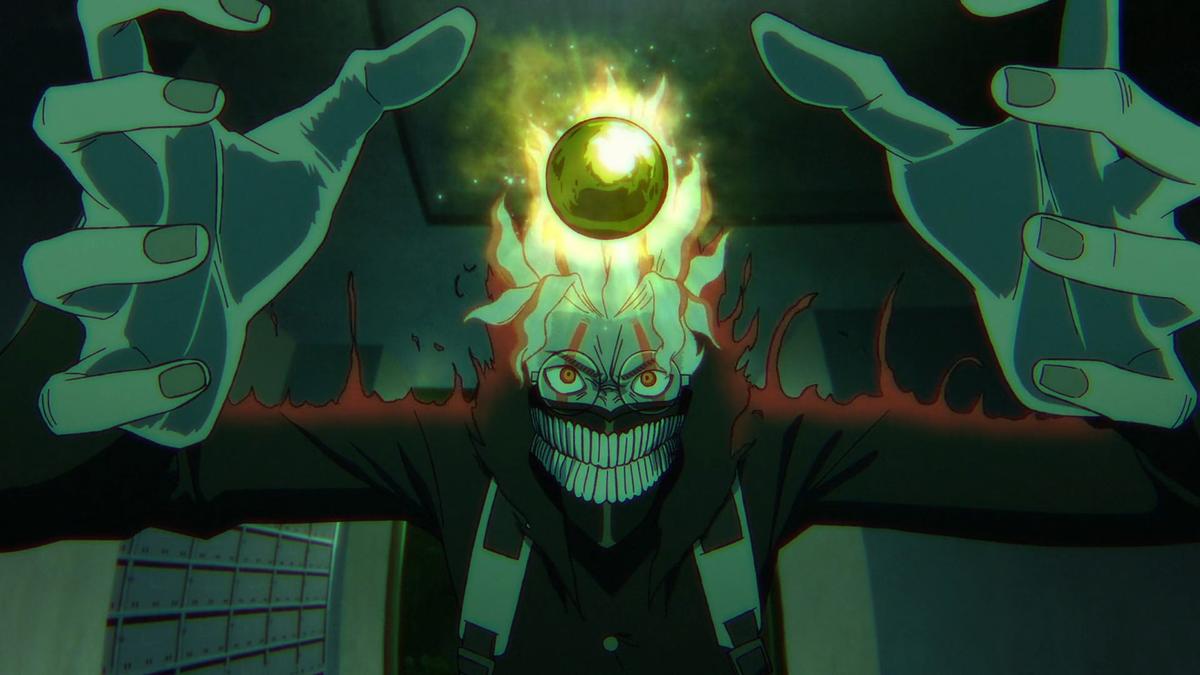
If there were a manifesto for stylistic rebellion in 2025 anime, Dandadan would likely be footnoted in every chapter, and its second season confirmed its run as the most alive thing in the weekly schedule. The beloved genre-shredding supernatural rom-com still follows teenagers Momo, Okarun, Aira and Jiji as they navigate a fresh batch of yokai, kaiju-scale threats and increasingly bizarre visitors.
Science SARU’s approach to action remains elastic and playful, but there is more attention to weight and consequence. Limbs stretch and squash, backgrounds spin, yet you could feel when a hit actually hurt. Yukinobu Tatsu’s writing toyed with and occasionally exploded genre boundaries, and the studio honours that by letting the visuals embody those same volatile interrogations. The music also leaned into noisy, genre-blending tracks that mirror the show’s tonal whiplash, then pulled back for small, awkward conversations about who likes whom and why that matters when surrounded by monsters. That quirky melange gave Dandadan an idiosyncrasy that’s addictively good.

Dandadan felt important this year because it acknowledged contemporary sensory overload without collapsing into irony. The anime seems like it understands how teenagers today live in a media environment where ghosts, conspiracy threads, and real political collapse pop up in the same feed, and the series tries to model how you keep caring, joking, and falling in love anyway.
2. CHAINSAW MAN: REZE ARC
(Studio: MAPPA | Based on the manga by Tatsuki Fujimoto)
A still from ‘Chainsaw Man: Reze Arc’
| Photo Credit:
Sony Pictures
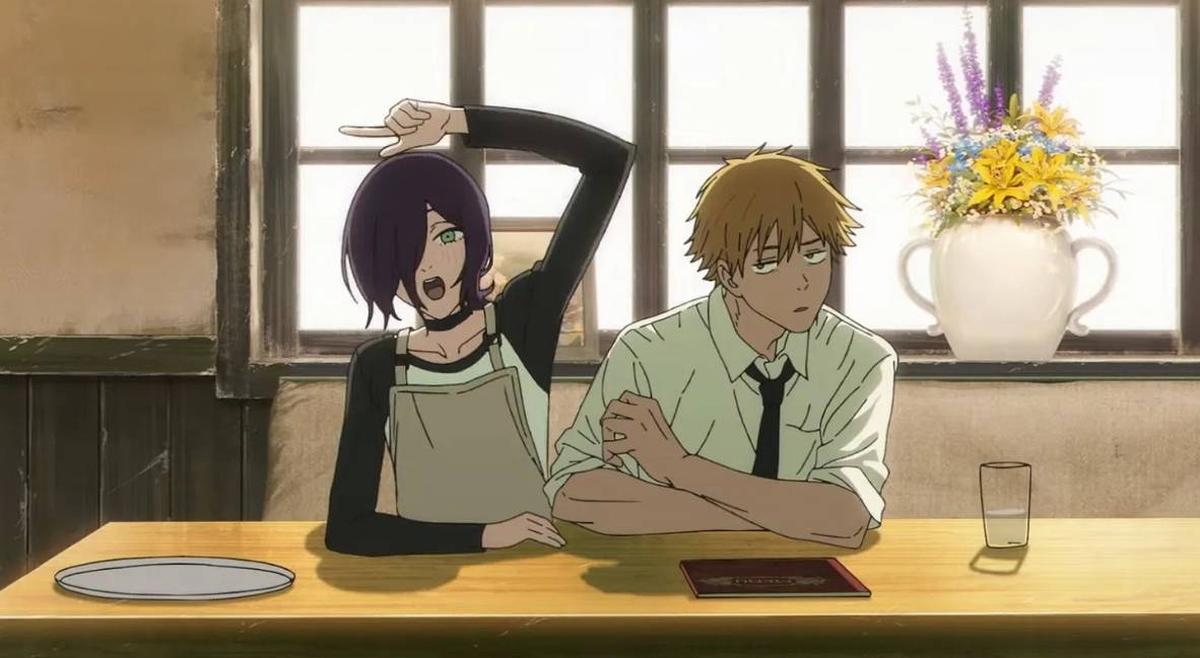
Watching Reze Arc was an act of creative rebellion against what constitutes a blockbuster. Tatsuki Fujimoto’s manga covered an anticipated romance arc between two living weapons pulled towards mutual destruction that was already a holy text for the unhinged, but this unrepentant adaptation dropped with a gusto that made even Demon Slayer’s billion-yen bombast feel almost tame.
To understand why Reze Arc mattered, you have to remember that fans had slowly grown exhausted of “event cinema” that felt lab-engineered by people who have never felt joy or touched grass. And then MAPPA strolled in with a film that crackled with such deranged, hand-drawn vitality you could practically hear Makima closing the door behind whichever thousand animators “volunteered” for the honour.

Reze Arc was the year’s cleanest example of a film that understands its own audience down to the bone. MAPPA gave the freaks what they wanted and then slid in a romance so earnest it almost felt rude to watch. Fujimoto’s horny fatalism also felt like the exact emotional cocktail the year required – the movie seemed to thread the anxieties of parasocial romance, self-destructive longing, the weaponisation of intimacy and the influencer-era collapse of sincerity, accordingly. The manga has always trafficked in extremity, and MAPPA brought that to life by making the whole thing look like it was animated by a studio in the middle of a collective manic episode (I say that with absolute admiration).
1. ORB: ON THE MOVEMENTS OF THE EARTH
(Studio: Madhouse | Based on the manga by Uoto)
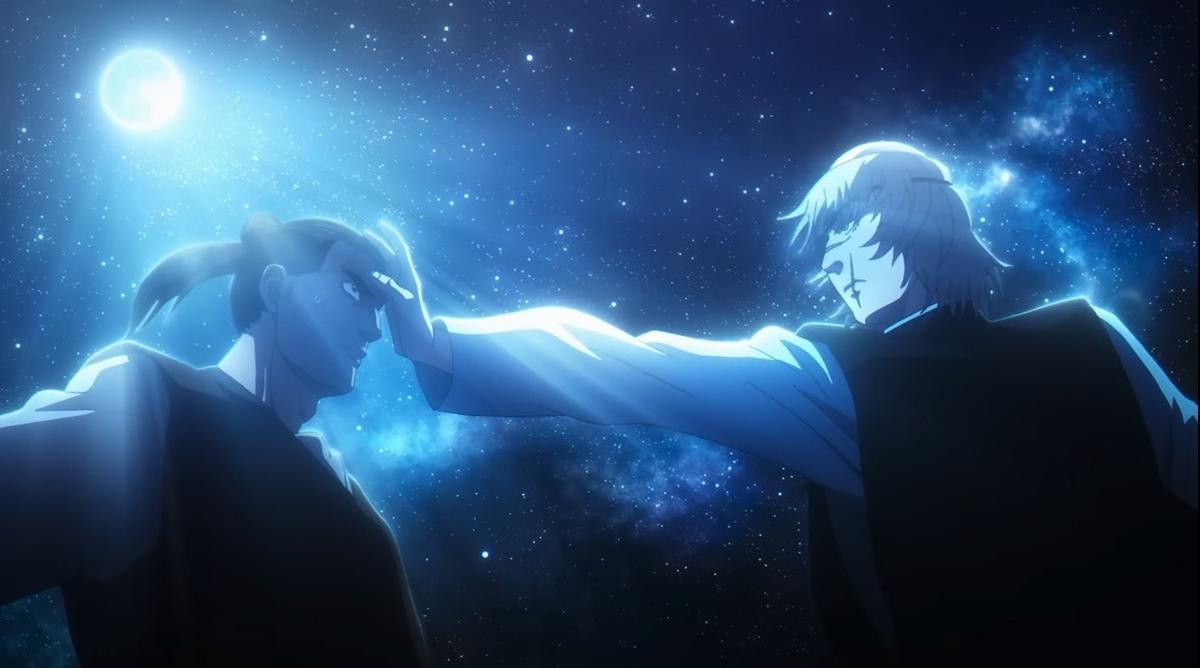
A still from ‘Orb: On the Movements of the Earth’
| Photo Credit:
Netflix
Orb overwhelmed me in the way only one anime a year ever does. The historical drama tracing the clandestine spread of heliocentric heresy sits at the summit of this list because it swallowed the year whole. Set across late medieval Europe, it tracks various people as they encounter and protect “forbidden” ideas about the Earth’s motion and advances with a conviction determined to expose how knowledge circulates through a world built to crush it. An inheritance of combustible ideas moves hand to hand in Uoto’s seminal manga, and every transfer reshapes the people involved. That volatility pulled me in from the first episode and had me enraptured till the very end. This was storytelling as contraband.
Thematically, Orb is about power much more than astronomy. Every episode asks who benefits from a world where the nobility monopolises explanation, and what it costs to insist on your own observations instead. Trials, torture, and exile punctuate moments of solidarity between those who have nothing except a shared sense that the official story is wrong. The show connects heresy to class and to labour, and the people risking their lives for “truth” are also those whose bodies are cheapest.

Madhouse’s adaptation entered a cultural moment thick with the anxieties of censorship, revisionism and institutional distrust, and Orb confronted that climate directly. The series aired in a world where truth was being contested at every possible turn, and Orb made that contest palpable by staging the labours of knowledge as collective blood memory rather than some heroic epiphany.
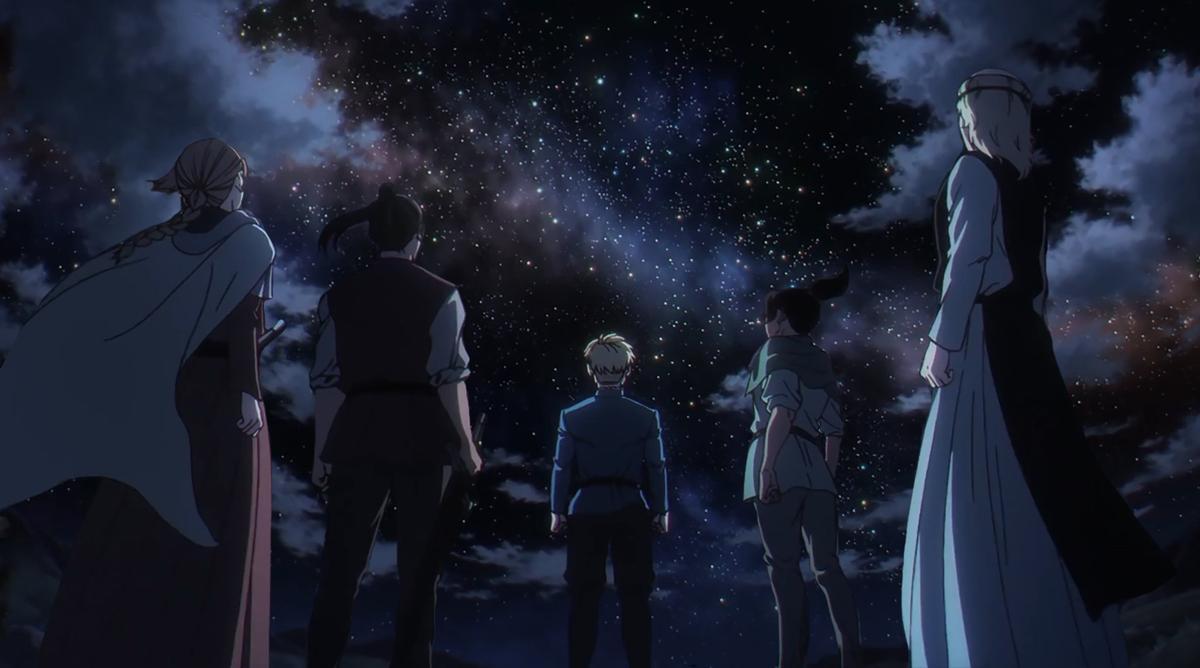
A strange electricity ran through the entire experience because Orb spoke to the same political temperature that made Andor so important to me this year. Both stories follow people who build their futures through repetition, sacrifice and an instinct for liberation that turns into something larger than they had ever imagined.

Orb earns its position because it demonstrates what happens when storytelling takes intellectual history seriously. The further the story travelled from its century, the more it resembled the conversations I kept hearing around me about who gets to think freely, and who pays for it. Every episode reached backward in time and still carried the anxieties of the present.
Orb absorbed me with a power that left no room for detachment. Nothing else this year confronted the politics of knowing with such beauty, clarity, and danger. I walked away changed, and the feeling hasn’t settled (I suspect it never will), but needless to say, I’ve set aside the modest fee for the privilege of being rattled so thoroughly…
10% of the profits go to Potocki.